


Crop Updates
Brassica Crops – Up until this past week, conditions have accelerated nutrient disorders in some head brassicas fields, from tip dieback on leaves to uneven head development to leaf edema. For Alternaria fungicide management, see the Crop Protection Hub for a list of registered products and max number of applications for the specific brassica crop you are growing. Bacteria rot in cabbage and Xanthomonas black rot have also been identified. The second wave of cabbage maggot flies has been active in many counties across the province. Dig up wilted plants and inspect roots for cabbage maggot larvae. There have been lots of double/triple heads in cabbage and multiple growing points in other Brassicas which was likely due to Swede midge damage earlier in the season. Diamondback moth pressure continues to be high, there is still a bit of flea beetle damage, and some field perimeters are being targeted by slugs (Figure 1). Watch for brassica downy mildew, especially near windbreaks and areas that receive any sort of shade throughout the day, given the cooler weather with longer periods of leaf wetness we will see this week and into next.

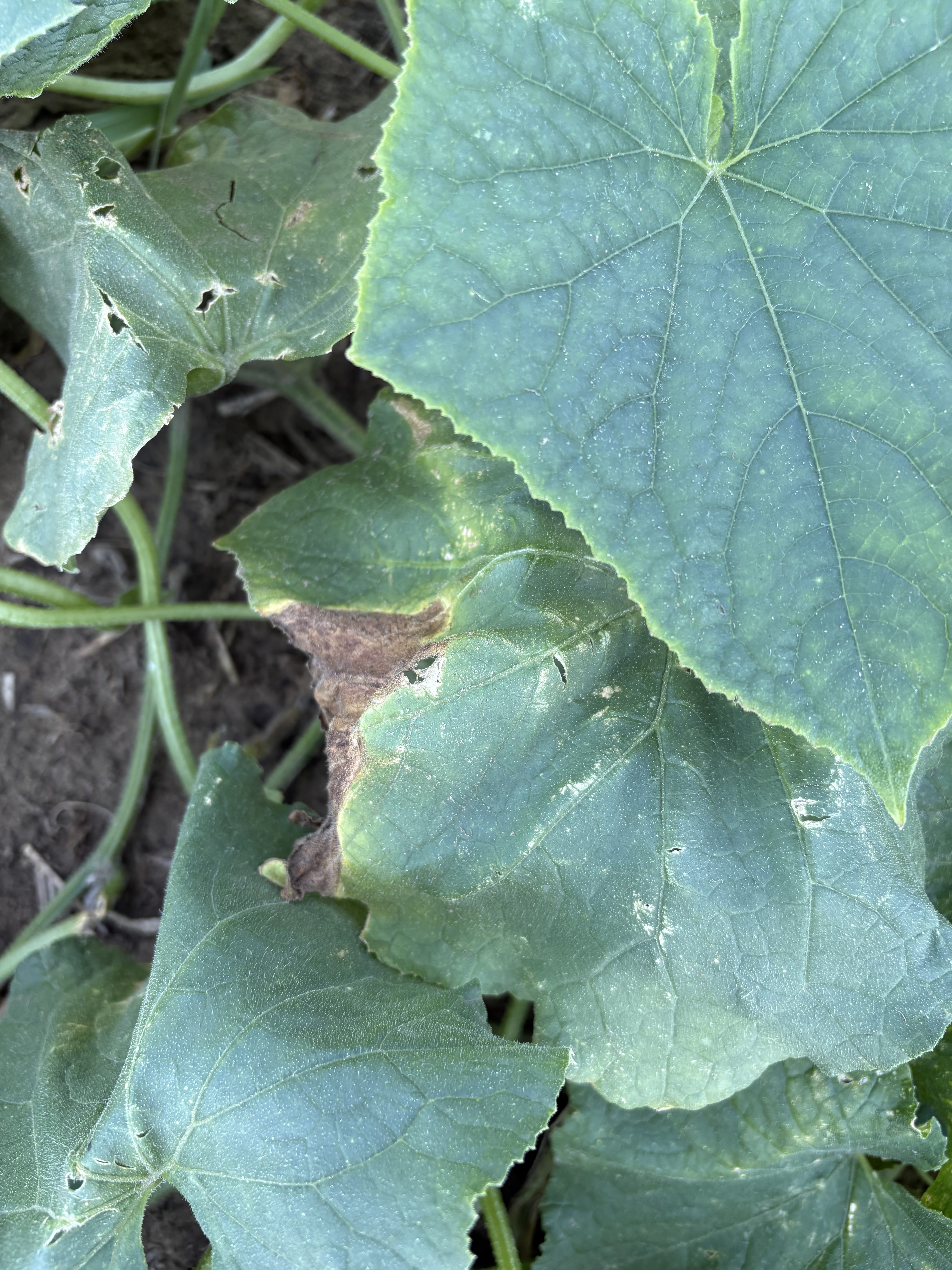
Cucurbits – Overall, disease pressure has been lower than average. We are seeing Alternaria in some cantaloupe fields. Verticillium is also showing up in pickling cucumber fields (Figure 2).
Garlic – Harvest continues. Witches brooming observed earlier in the season has resulted in a bunch of misshapen bulbs with multiple scapes (Figure 3). Remove bulbs from direct sunlight as soon as possible and be mindful of how long garlic is sitting in wagons/crates when there is no forced air present. Waxy breakdown occurs when the bulb experiences high temperatures in the field, during curing or in storage. Be vigilant about reducing mechanical injury during harvest. Remove excess moisture from the crop as soon as possibles as a slow cure will make it easier for pathogens, like Fusarium or Penicillium blue mould to colonize wounds / bruises from harvest. When curing, controlling humidity is the most important variable to control. Curing over a long period of time (eg. 14+ days), can allow bulb mites to acclimatize and cause problems in storage. Be on the lookout for Allium leafminer pupae in stems, pictured below, (Figures 4). If you find pupae and are looking to get the exact insect identified, please E-mail travis.cranmer@ontario.ca.


Onions – Many fields are still green to the tip, but most fields are showing some Stemphylium lesions by now. Allegro 500F (group 29) is registered for suppression of Stemphylium, Botrytis leaf blight and purple blotch on dry bulb onions. A product containing mancozeb (group M3s, such as Manzate Pro-Stick, Dithane Rainshield, and Penncozeb 75 DF Raincoat) may provide protection against Stemphylium if it is being applied to manage onion smut, Botrytis or Alternaria/Purple Blotch. Allego 500F and products containing a group 7 show the best efficacy, such as Sercadis, Aprovia, or Miravis Duo (group 7/3). Avoid applying products from the same chemical group one after the other to manage Stemphylium. Research has shown that there is very high resistance in Stemphylium to one of the fungicides in Quadris Top (group 11/3) and in Luna Tranquility (group 7/9). The levels of thrips are starting to climb in some fields that have received two applications of Movento 240 SC (group 23). Apply no more than two consecutive insecticides from the same IRAC crop as onion thrips have a relatively short life cycle with multiple generations through the summer months and are at a high risk of developing insecticide resistance. Fusarium basal rot is common in fields that have been irrigated and are under black plastic. Over the next week, be on the lookout for onion downy mildew (Figure 5) and stunted/wilted plants due to onion maggot. A full list of products registered for onion downy mildew can be found on the Ontario Crop Protection Hub.

Sweet Corn – We are approaching the typical corn earworm season, however for the most part the prevailing winds have been fairly low risk for earworm transport. As we progress into late-summer consider all silking corn to be at risk of infestation.
Pest Degree Day Forecasting
| County | Carrot Rust Fly | Onion Maggot | Carrot Weevil | Aster Leafhopper | Tarnished Plant Bug | Cabbage Maggot | Seedcorn Maggot | European Corn Borer |
| THRESHOLD | 329-395, 1399-1711 | 210-700, 1025-1515 | 138-156, 455+ | 128+ | 40+ | 314-398, 847-960, 1446-1604 | 200-350, 600-750, 1000-1150 | See legend below |
| Bruce*** | 1104 | 1000 | 710 | 541 | 337 | 801 | 1000 | 467 |
| Essex* | 1629 | 1507 | 1159 | 943 | 653 | 1272 | 1507 | 841 |
| Chatham-Kent* | 1503 | 1382 | 1042 | 838 | 575 | 1153 | 1382 | 746 |
| Norfolk** | 1381 | 1265 | 951 | 761 | 504 | 1050 | 1265 | 670 |
| Huron*** | 1261 | 1149 | 841 | 659 | 425 | 939 | 1149 | 576 |
| Wellington** | 1216 | 1110 | 820 | 644 | 415 | 911 | 1110 | 562 |
| Simcoe County*** | 1251 | 1145 | 858 | 683 | 458 | 950 | 1145 | 602 |
| Durham*** | 1314 | 1205 | 906 | 724 | 492 | 1002 | 1205 | 643 |
| Peterborough | 1242 | 1134 | 841 | 666 | 431 | 936 | 1134 | 583 |
| Kemptville*** | 1309 | 1203 | 901 | 723 | 492 | 998 | 1203 | 643 |
| Sudbury*** | 1035 | 946 | 707 | 564 | 369 | 784 | 946 | 496 |
| Timiskaming*** | 1018 | 928 | 696 | 554 | 358 | 769 | 928 | 487 |
| Lambton** | 1394 | 1276 | 953 | 768 | 514 | 1056 | 1276 | 680 |
| Thunder Bay | 904 | 817 | 590 | 460 | 283 | 660 | 817 | 398 |
| Middlesex* | 1419 | 1304 | 985 | 795 | 539 | 1087 | 1304 | 705 |
| Renfrew | 1129 | 1036 | 774 | 624 | 433 | 859 | 1036 | 559 |
*- Bivoltine region for ECB. First Peak Catch: 300-350 DD, Second Peak Catch 1050-1100 DD
**- Overlap region for ECB. First Peak Catch: 300-350 DD Second Peak Catch 650-700 DD, Third Peak Catch 1050-1100 DD
***-Univoltine region for ECB. Peak Catch 650-700 DD
Use these thresholds as a guide, always confirm insect activity with actual field scouting and trap counts
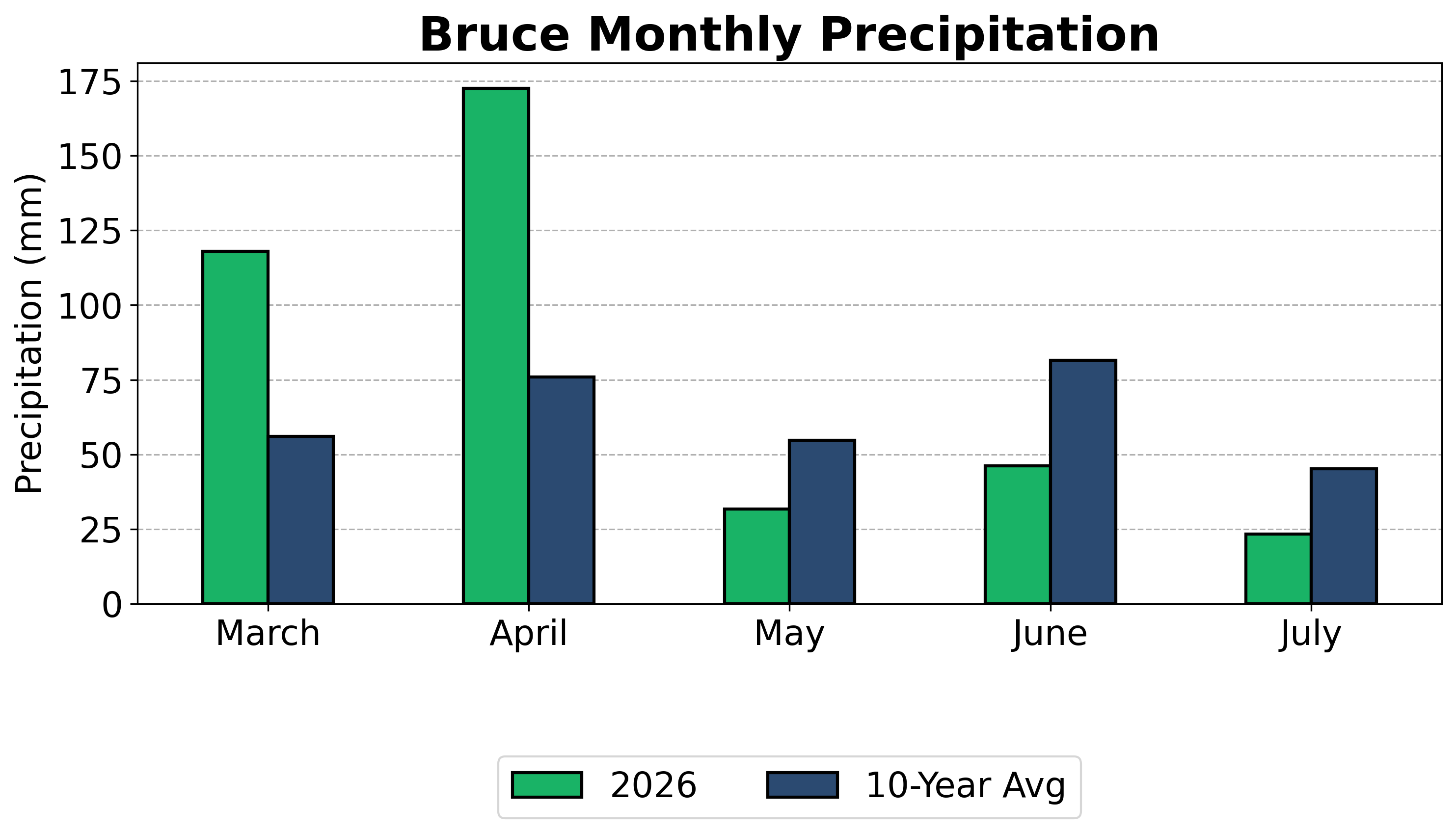
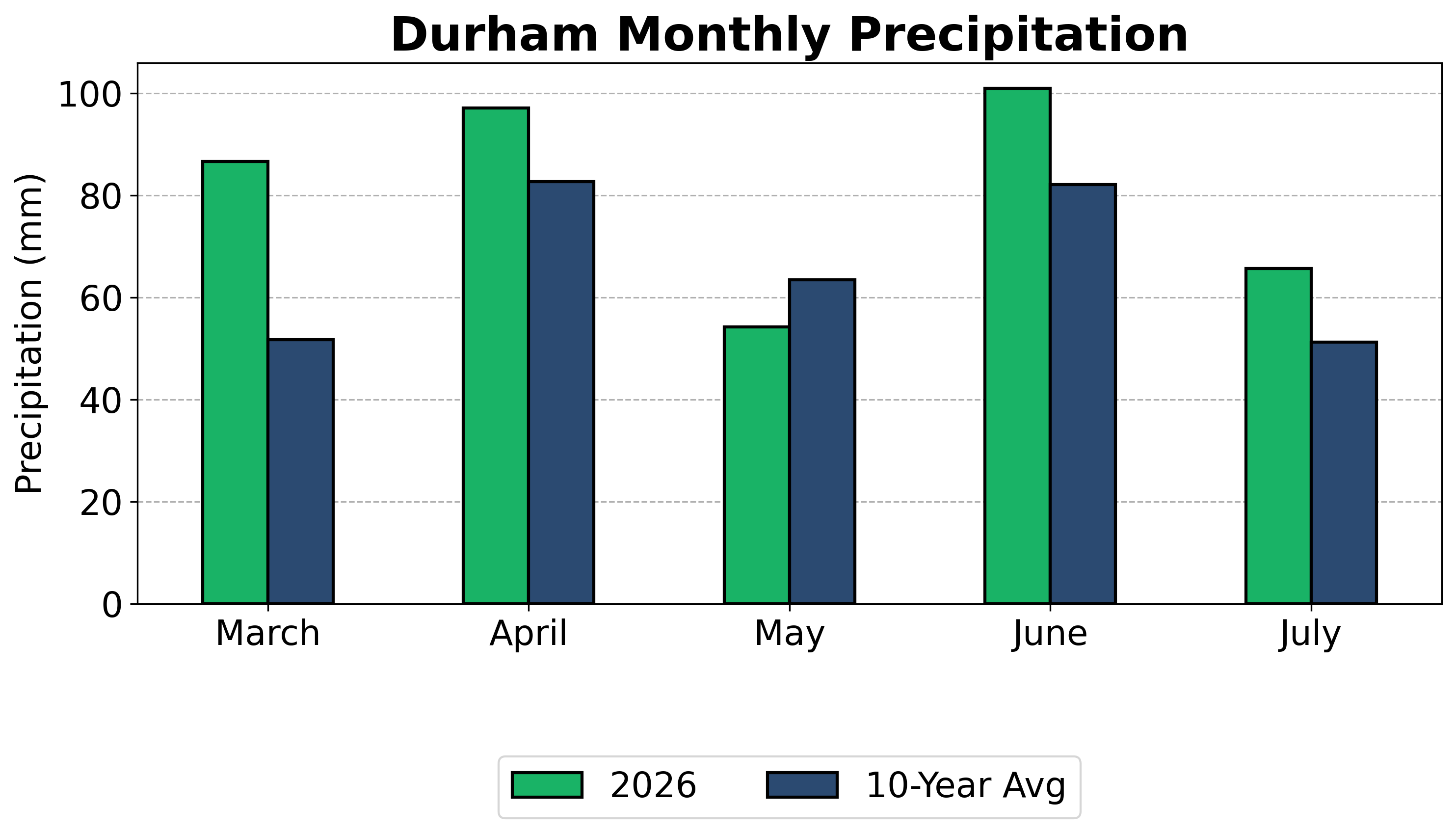
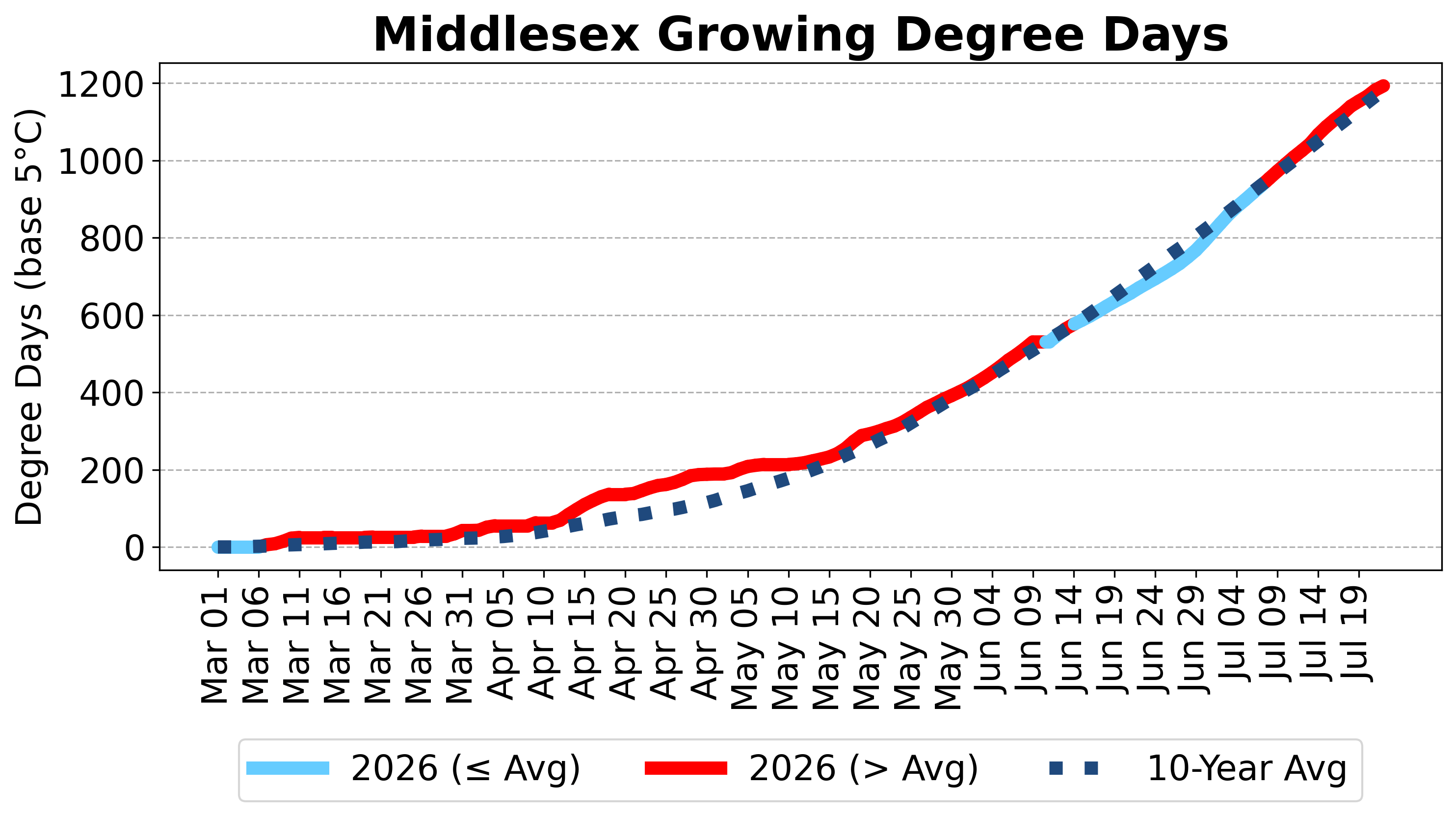
Select a region below for the latest weather, crop and pest degree day information:
Bruce

Chatham-Kent


Durham

Essex


Huron


Kemptville


Lambton


Middlesex
Norfolk


Peterborough


Renfrew


Simcoe
Sudbury


Thunder Bay


Timiskaming
Wellington Centre


Wellington North


0 comments on “VCR – Vegetable Crop Report – July 23rd, 2026”