


Crop Updates
Brassica – Conditions have been favourable for Xanthomonas or black rot of Brassicas. Populations of thrips are increasing and could become problematic in cabbage. Diamondback moths, imported cabbageworms, tarnished plant bugs and aphids remain elevated in many areas. The threat of downy mildew and bacterial pathogens remains high given the high humidity and colder nights (Figures 1-2).


Cucumbers – Overall disease pressure has been lower than average. As of July 30, there have been no reports of downy mildew in the Great Lakes region. Anthracnose, fusarium and verticillium wilt have been found at low levels in some fields.
Mites appeared in high numbers in both Kent and East Elgin last week. Mite pressure can build very quickly with few noticeable signs. Aborted fruit and “off colour” leaves are often one of the first signs of a mite infestation.
Garlic – Harvest is wrapping up. Garlic is fully cured when the outer skins are dry and crispy, the center of the cut stem is hard, and the neck is constricted at the bulb. Depending on the moisture in the crop at harvest, the dry weight is typically 18-22% less than the fresh weight at harvest. When curing, maintain good airflow to prevent pockets of no air movement. If you are using heat to improve the water holding capacity of the air, be careful to avoid temperatures above 43°C which may lead to waxy breakdown. Waxy breakdown is a disorder when the cloves turn yellow or translucent and become jelly-like in texture from high temperatures in the field, during harvest or while curing. While trimming or handling bulbs, rogue out bulbs with fusarium / bulbs with a missing or rotten basal plate and do not keep them for seed. As mentioned in last weeks VCR, be on the lookout for Allium leafminer pupae in stems, pictured below, (Figure 3). If you find pupae and are looking to get the exact insect identified, please E-mail travis.cranmer@ontario.ca.

Onion – The rain has been welcoming in many areas as direct seeded onions are starting to bulk. Stemphylium is progressing in most fields (Figure 4). Bacterial rots are starting to be seen in some fields that were irrigated through the dry periods in July and bulbs with split basal plates are also common (Figure 5). As transplants start to lodge, give more attention to counting thrips at the edges of direct seeded fields that are adjacent to fields of transplants. Keep an eye out for onion downy mildew given the cooler temperatures in some areas over the past week. Downy mildew of onions prefers temperatures below 22°C and extended periods of leaf wetness. A full list of products registered for onion downy mildew can be found on the Ontario Crop Protection Hub.


Pumpkins and Squash – Powdery mildew is starting to move into the area. The best control is achieved with well-timed fungicide sprays in late-July through August. Use a 7-14 day interval based on disease pressure and weather conditions. Powdery mildew does not need a lot of moisture to develop; however it does slow considerably at temperatures above 30°C.
Snap Beans – White mould pressure typically increases as we head into August. Risk factors include thick crop canopies, heavy dew, intermittent rains and cooler nighttime temperatures. Apply fungicide controls at first bloom with a second application 7 days later if the conditions persist.
Sweet Corn – Weather patterns suggest a low-to-moderate risk of corn earworm pressure. Populations usually increase significantly over the month of August as the moths are carried north by the prevailing winds.
Pest Degree Day Forecasting
| County | Carrot Rust Fly | Onion Maggot | Carrot Weevil | Aster Leafhopper | Tarnished Plant Bug | Cabbage Maggot | Seedcorn Maggot | European Corn Borer |
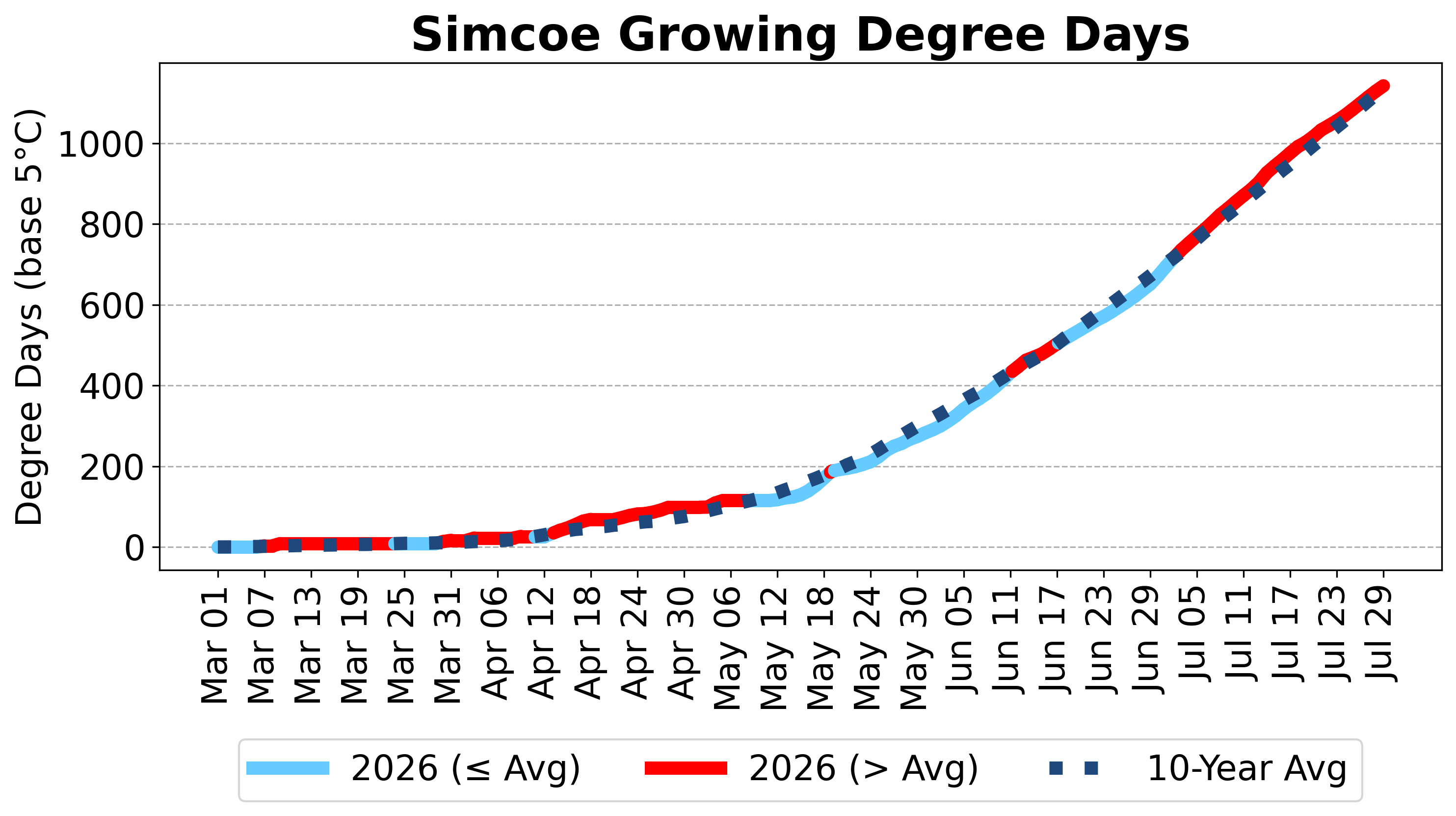
| THRESHOLD | 329-395, 1399-1711 | 210-700, 1025-1515 | 138-156, 455+ | 128+ | 40+ | 314-398, 847-960, 1446-1604 | 200-350, 600-750, 1000-1150 | See legend below |
| Bruce*** | 1218 | 1106 | 795 | 612 | 387 | 893 | 1106 | 531 |
| Essex* | 1755 | 1626 | 1257 | 1027 | 716 | 1377 | 1626 | 918 |
| Chatham-Kent* | 1620 | 1492 | 1131 | 913 | 629 | 1249 | 1492 | 814 |
| Norfolk** | 1497 | 1374 | 1039 | 834 | 557 | 1144 | 1374 | 737 |
| Huron*** | 1372 | 1253 | 923 | 728 | 473 | 1029 | 1253 | 638 |
| Wellington** | 1324 | 1211 | 900 | 710 | 460 | 998 | 1211 | 621 |
| Simcoe County*** | 1363 | 1250 | 942 | 753 | 507 | 1042 | 1250 | 666 |
| Durham*** | 1434 | 1318 | 997 | 802 | 549 | 1101 | 1318 | 714 |
| Peterborough | 1357 | 1243 | 929 | 739 | 483 | 1030 | 1243 | 650 |
| Kemptville*** | 1432 | 1319 | 995 | 804 | 552 | 1100 | 1319 | 717 |
| Sudbury*** | 1148 | 1052 | 792 | 635 | 419 | 876 | 1052 | 560 |
| Timiskaming*** | 1130 | 1034 | 780 | 625 | 408 | 860 | 1034 | 550 |
| Lambton** | 1516 | 1391 | 1047 | 848 | 573 | 1157 | 1391 | 753 |
| Thunder Bay | 1026 | 932 | 683 | 540 | 341 | 760 | 932 | 471 |
| Middlesex* | 1541 | 1419 | 1079 | 875 | 598 | 1188 | 1419 | 778 |
| Renfrew | 1241 | 1142 | 862 | 700 | 490 | 952 | 1142 | 628 |
*- Bivoltine region for ECB. First Peak Catch: 300-350 DD, Second Peak Catch 1050-1100 DD
**- Overlap region for ECB. First Peak Catch: 300-350 DD Second Peak Catch 650-700 DD, Third Peak Catch 1050-1100 DD
***-Univoltine region for ECB. Peak Catch 650-700 DD
Use these thresholds as a guide, always confirm insect activity with actual field scouting and trap counts
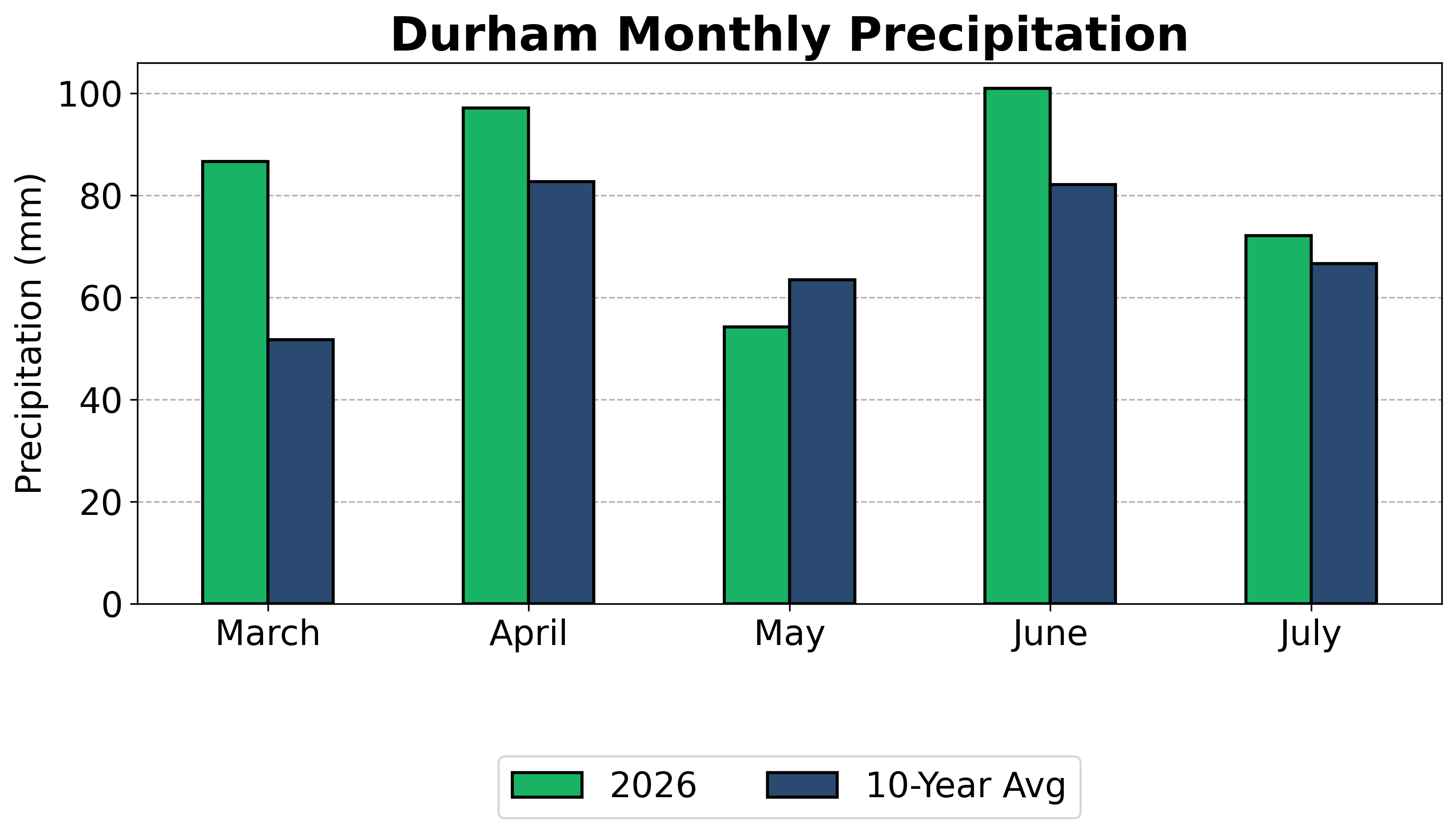
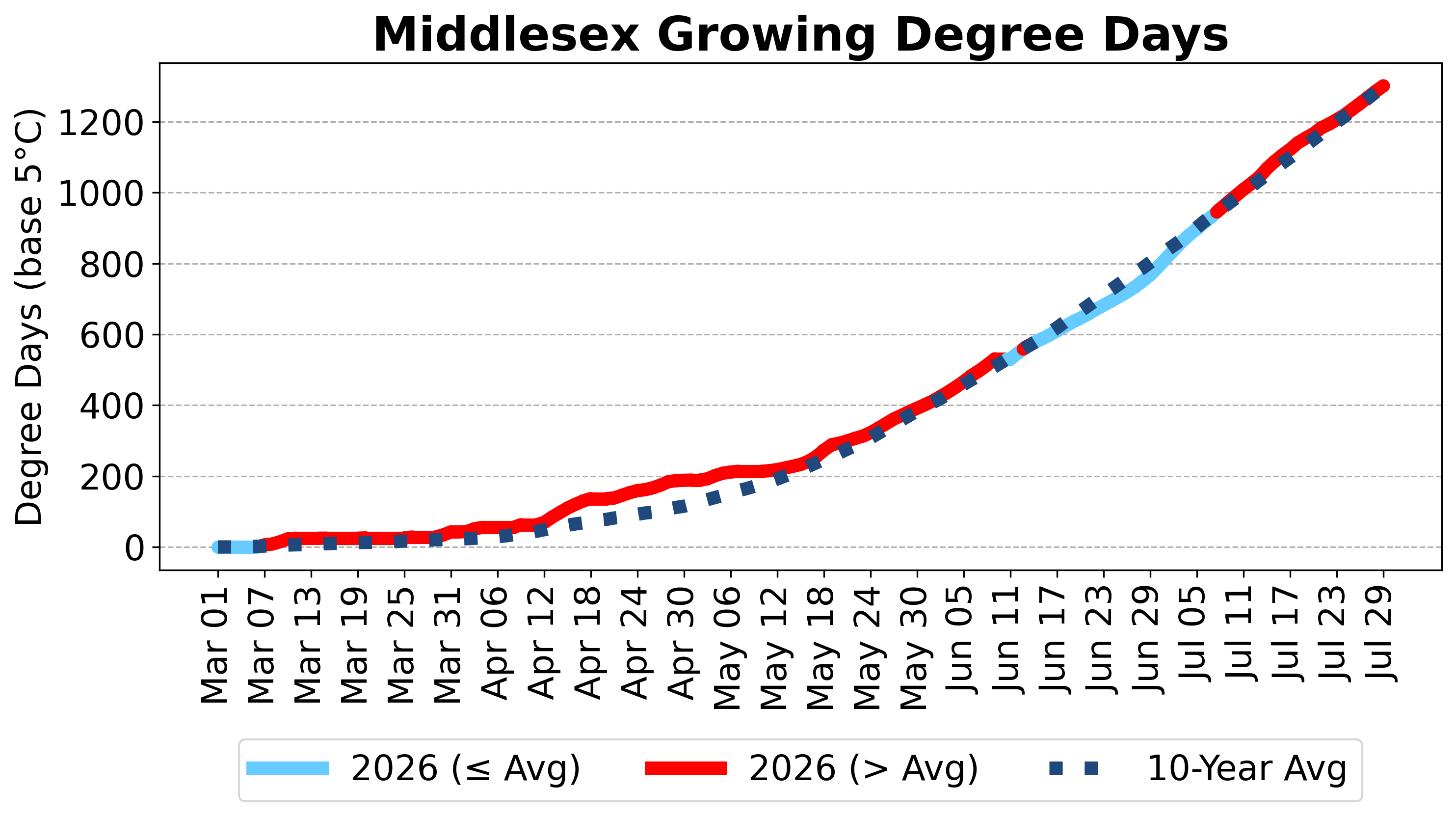
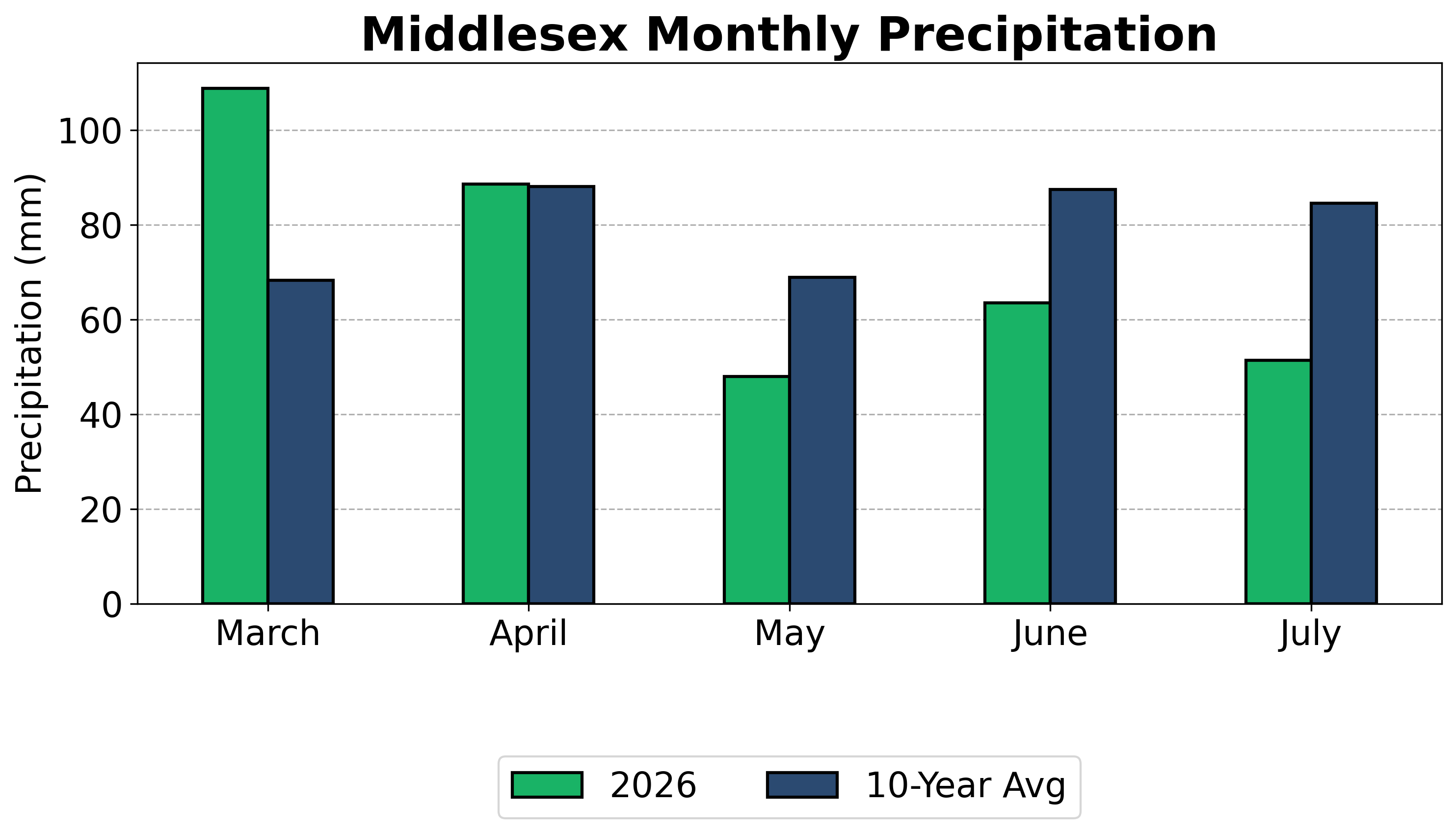
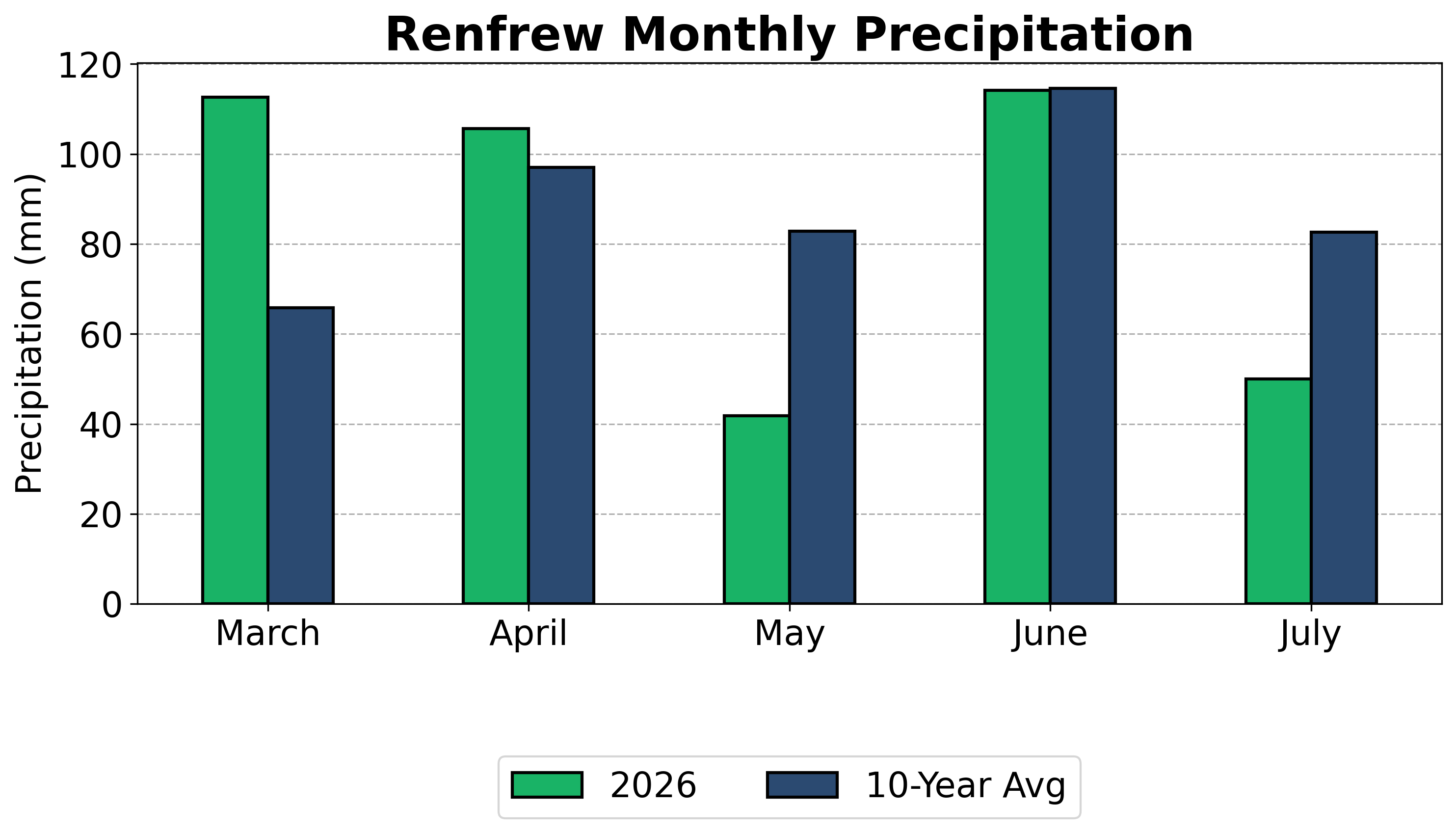
Select a region below for the latest weather, crop and pest degree day information:
Bruce


Chatham-Kent


Durham

Essex


Huron


Kemptville


Lambton


Middlesex
Norfolk


Peterborough


Renfrew

Simcoe
Sudbury


Thunder Bay


Timiskaming


Wellington Centre


Wellington North


0 comments on “VCR – Vegetable Crop Report – July 30th, 2026”